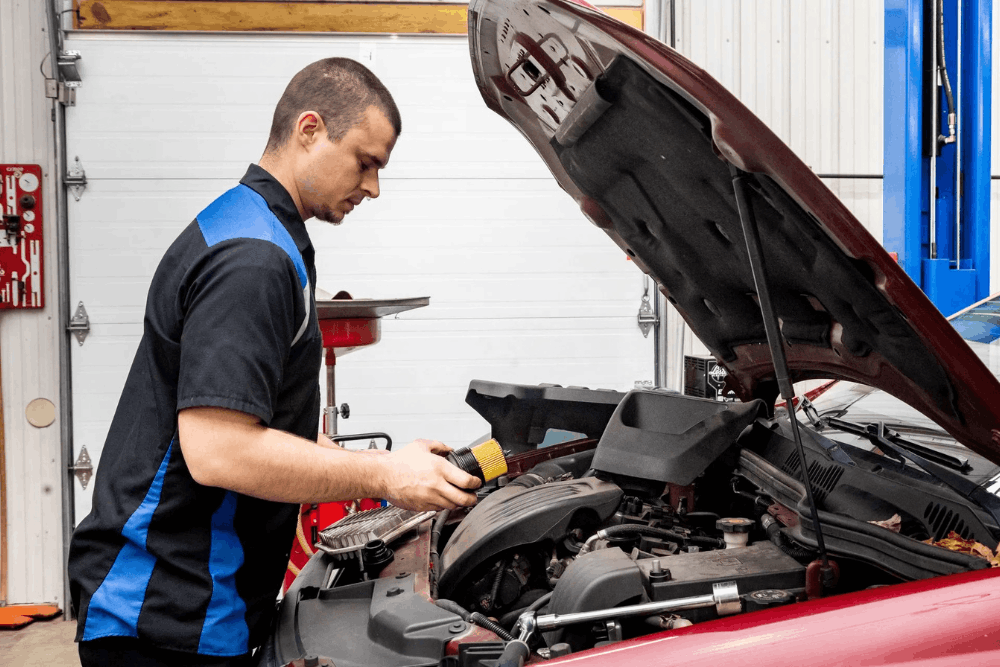

When your check engine light suddenly illuminates on a cold Glen Rock morning, it’s natural to feel concerned. This warning light can indicate anything from a minor sensor issue to a more serious engine problem, and winter weather in Pennsylvania often triggers these alerts. At Cain and Sons’ Automotive, we understand how frustrating it can be when your dashboard lights up during the coldest months.
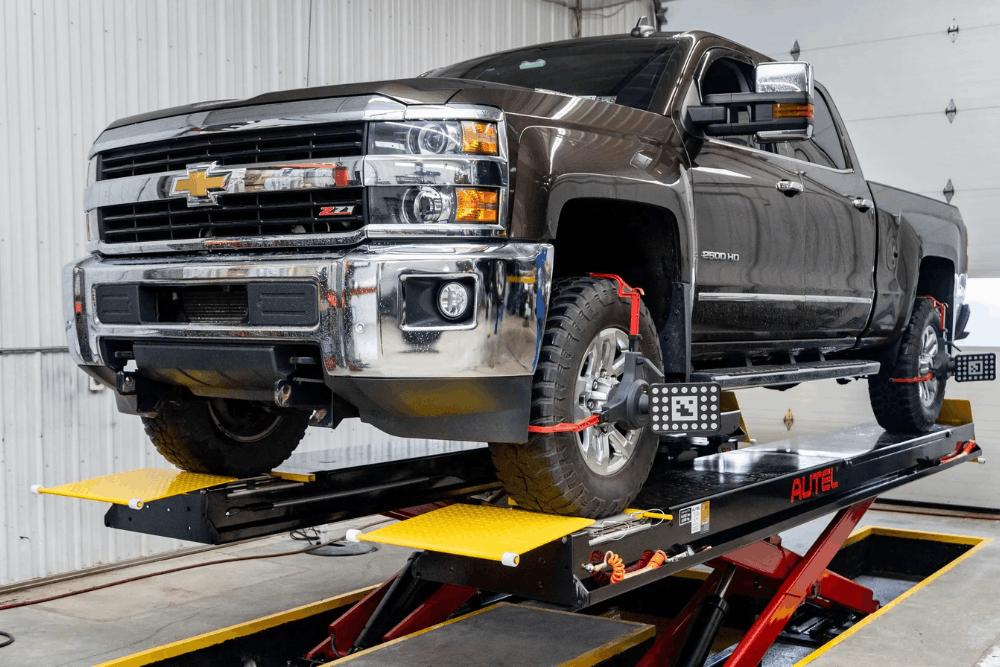
With ASE Master-certified expertise on staff, we use advanced Autel and Snap-On diagnostic equipment to quickly identify the root cause and get you back on the road safely. Whether you’re dealing with a loose gas cap or a more complex engine issue, we’re here to provide honest answers and reliable solutions you can trust.
Why Your Check Engine Light Comes On More Often in Cold Weather
Winter temperatures in Glen Rock, PA, can drop well below freezing, creating challenging conditions for your vehicle’s engine and electronic systems. Cold weather affects how your engine operates, from fuel combustion to sensor readings, making check engine light alerts more common during Pennsylvania winters.
How Freezing Temperatures Affect Engine Sensors
Your vehicle relies on dozens of sensors to monitor everything from oxygen levels to coolant temperature. When temperatures plummet, these sensors can provide inaccurate readings or temporarily malfunction. The oxygen sensor, mass airflow sensor, and coolant temperature sensor are particularly sensitive to extreme cold. Your engine control module (ECM) receives these readings and may trigger the check engine light if values fall outside normal parameters, even if there’s no actual mechanical failure.
Fuel System Changes in Winter Conditions
Cold weather thickens engine oil and affects fuel vaporization, changing how efficiently your engine runs. Your vehicle’s computer system constantly monitors the air-fuel mixture, and winter conditions can throw these ratios off balance. If your fuel system can’t maintain proper pressure or if moisture freezes in fuel lines, the check engine light may illuminate. Additionally, winter-blend gasoline has different properties than summer fuel, which can sometimes trigger emissions-related codes.
Battery and Electrical System Stress
Winter puts enormous strain on your battery and electrical system. A weak battery struggling in cold temperatures may not provide consistent voltage to sensors and the ECM, causing false error codes. Your alternator works harder in winter to maintain electrical system demands, and any voltage fluctuations can trigger warning lights. We frequently see check engine lights related to charging system issues during York County’s coldest months.
Common Winter-Related Check Engine Light Causes in Glen Rock, PA
Understanding what typically triggers your check engine light during winter helps you know whether you’re dealing with an urgent issue or something less critical. Here are the most common culprits we diagnose at our Glen Rock facility.
Thermostat Failure
Your engine thermostat regulates coolant flow to maintain optimal operating temperature. When this component fails in cold weather, your engine may run too cool, reducing fuel efficiency and increasing emissions. A stuck-open thermostat is particularly common in winter and will trigger a check engine light. You might notice your temperature gauge staying below normal or your heater blowing lukewarm air.
Oxygen Sensor Issues
Oxygen sensors measure exhaust gases to help your ECM adjust the air-fuel mixture. These sensors can become sluggish or fail completely in extreme cold. Salt and road chemicals used during Pennsylvania winters can also corrode sensor wiring. When an oxygen sensor malfunctions, you’ll typically experience reduced fuel economy along with the illuminated warning light.
Evaporative Emissions System Leaks
Your vehicle’s Evaporative Emission Control System (EVAP) prevents fuel vapors from escaping into the atmosphere. Cold temperatures cause rubber hoses, seals, and the gas cap to contract and become brittle. Even a slightly loose gas cap after a frigid fill-up can trigger an EVAP system code. This is one of the simplest and most common check engine light causes in winter.
Mass Airflow Sensor Contamination
The mass airflow (MAF) sensor measures incoming air to help calculate proper fuel delivery. Winter road salt, moisture, and debris can contaminate this sensitive sensor. A dirty MAF sensor sends incorrect data to your ECM, causing poor performance, rough idling, and illuminated warning lights. Regular maintenance helps prevent this issue.
What You Should Do When Your Check Engine Light Turns On
Don’t ignore that glowing warning on your dashboard. While not every check engine light signals an emergency, prompt diagnosis protects your vehicle and prevents minor issues from becoming expensive repairs.
Check for Obvious Issues First
Before scheduling a diagnostic appointment, verify your gas cap is tight. Tighten it until you hear three clicks, then drive for a day or two to see if the light clears. Also, check for any noticeable changes in how your vehicle runs. Note any unusual sounds, smells, reduced power, or rough idling, as these details help our technicians diagnose the problem faster.
Watch for Additional Warning Signs
Pay attention to how your vehicle behaves after the check engine light appears. If you notice the engine overheating, significant power loss, strange noises, or if the light is flashing rather than steady, you need immediate attention. A flashing check engine light indicates a severe problem, typically related to engine misfires that can damage your catalytic converter. Pull over safely and have your vehicle towed if you see a flashing light.
Schedule a Professional Diagnostic Scan
Modern vehicles store specific diagnostic trouble codes (DTCs) that identify exactly what triggered the check engine light. At Cain and Sons’ Automotive, we use professional-grade Autel and Snap-On diagnostic equipment to read these codes and perform comprehensive system testing. Unlike basic code readers, our advanced tools provide detailed live data and help us identify intermittent issues that might not show up during a simple scan.
Don’t wait for a small issue to become a major repair. Schedule your diagnostic appointment online or call us at 717-235-9607 today.
Why Choose Cain and Sons' Automotive for Check Engine Light Diagnostics in Glen Rock
When you need accurate diagnosis and honest repair recommendations, our family-owned shop delivers the expertise and personalized service you deserve.
- ASE Master-Certified Expertise: With ASE Master certification on our team, we have the advanced training to diagnose complex engine and emissions issues accurately
- Advanced Diagnostic Equipment: We use professional Autel and Snap-On diagnostic systems that go beyond basic code readers to identify root causes
- Comprehensive Digital Vehicle Inspections: We provide detailed DVIs with photos through AutoVitals so you can see exactly what’s happening with your vehicle
- Transparent Communication: We explain diagnostic findings in plain language and never recommend unnecessary repairs
- Convenient Service Options: We offer loaner cars for larger jobs, shuttle service, early bird drop-off, and after-hours pick-up with lock boxes
- Quality Parts and Warranty: All auto repairs are backed by our NAPA 3-year/36,000-mile warranty for your peace of mind
- Flexible Financing: We accept NAPA Easy Pay, Affirm, and Klarna to make necessary repairs more affordable
Preventing Winter Check Engine Light Issues in Glen Rock
While some winter-related warning lights are unavoidable, regular maintenance significantly reduces your chances of unexpected problems during cold months.
Follow Factory-Recommended Service Intervals
Keeping up with scheduled maintenance is your best defense against check engine light issues. Fresh synthetic oil flows better in cold weather, clean air filters ensure proper airflow, and new spark plugs prevent misfires. We perform all factory-recommended services using quality BG Products and parts that meet or exceed manufacturer specifications.
Address Small Issues Before They Worsen in Cold Weather
If your check engine light comes on during winter, don’t wait to have it diagnosed. Small issues like worn spark plugs, aging sensors, or minor leaks become bigger problems in extreme cold. Winter conditions put extra stress on your engine, making early diagnosis essential to avoid breakdowns.
Keep Your Battery and Charging System Healthy
A strong battery and properly functioning charging system prevent voltage-related false codes. Have your battery tested before winter, especially if it’s more than three years old. We check battery condition, alternator output, and electrical connections during routine service visits.
Understanding Diagnostic Trouble Codes
When your check engine light illuminates, your vehicle’s computer stores specific codes that help technicians identify the problem area. Understanding how these codes work helps you make informed decisions about repairs.
Diagnostic trouble codes follow a standardized format, typically starting with P (powertrain), B (body), C (chassis), or U (network). The numbers that follow indicate the specific system and component involved. However, codes point to symptoms rather than exact failures. For example, a P0300 code indicates random engine misfires, but doesn’t tell you whether the cause is bad spark plugs, faulty ignition coils, low fuel pressure, or vacuum leaks.
This is why professional diagnosis goes far beyond simply reading codes. Our technicians use the code as a starting point, then perform targeted testing to identify the failed component. We check live sensor data, perform component-specific tests, and inspect related systems to ensure accurate diagnosis and complete repairs.
The Real Cost of Ignoring Your Check Engine Light in Glen Rock, PA
Some drivers continue operating their vehicles with an illuminated check engine light, hoping the problem will resolve itself. This approach often leads to far more expensive repairs and potential safety risks.
A simple issue like a loose gas cap costs nothing to fix, but ignoring it means you won’t know when a serious problem develops since the light stays on. More significantly, continuing to drive with engine problems can cause cascade failures. For instance, a bad oxygen sensor reduces fuel efficiency and damages your catalytic converter, turning a $200 sensor replacement into a $1,500+ repair. Engine misfires can destroy catalytic converters, foul spark plugs, and damage cylinder walls if left unaddressed.
Beyond the financial impact, some check engine light causes create safety hazards. Severe overheating can cause engine failure while you’re driving, potentially leaving you stranded in dangerous conditions. Winter breakdowns in York County’s rural areas pose particular risks when temperatures drop below freezing.
What to Expect During Your Diagnostic Appointment
When you bring your vehicle to Cain and Sons’ Automotive for check engine light diagnosis, we follow a systematic process to identify the problem and recommend appropriate solutions.
Our Diagnostic Process Includes
- Professional Code Retrieval: Our technicians connect advanced diagnostic equipment to your vehicle’s onboard computer to retrieve all stored trouble codes, including pending codes that haven’t yet triggered the warning light
- Freeze Frame Data Analysis: We review your vehicle’s “freeze frame” data, which captures operating conditions at the exact moment the code was set
- Targeted Component Testing: Based on codes and symptoms, we perform specific tests that might include checking sensor outputs, measuring fuel pressure, testing ignition components, or inspecting vacuum lines
- Comprehensive Visual Inspection: We conduct a thorough examination, looking for obvious issues like damaged wiring, loose connections, or fluid leaks
- Digital Documentation: Throughout the process, we document our findings with photos and detailed notes through our Digital Vehicle Inspection system hosted on AutoVitals
- Clear Communication: You’ll receive a straightforward explanation of what we found, what repairs are necessary versus recommended, and accurate cost estimates
- Your Approval First: We never proceed with repairs until you approve the work, and we’re always happy to answer questions about our recommendations
FAQs About Check Engine Lights in Cold Weather
Why is my check engine light on when it's cold?
Cold weather causes engine sensors to provide inaccurate readings or temporarily malfunction, triggering the check engine light even when no actual mechanical failure exists. Freezing temperatures affect oxygen sensors, mass airflow sensors, coolant temperature sensors, and battery voltage, all of which can illuminate warning lights. Additionally, cold weather causes rubber components like gas caps and EVAP system hoses to contract and become brittle, creating leaks that trigger emissions-related codes.
What are common winter car problems?
Common winter car problems include dead batteries, frozen fuel lines, thickened fluids reducing lubrication, tire pressure loss, sluggish sensors, thermostat failures, and increased engine wear during cold starts. Winter road salt accelerates corrosion of exhaust components and wiring. Many vehicles also experience issues with their heating systems, windshield washer fluid freezing, and reduced visibility from ice buildup on sensors and cameras.
Is it safe to drive with a check engine light on?
Driving safety with an illuminated check engine light depends on the underlying cause and whether the light is steady or flashing. A steady light typically indicates a less urgent issue, making short-distance driving generally safe until you can schedule a diagnosis. However, a flashing check engine light signals severe engine misfires that can damage your catalytic converter and should be addressed immediately by pulling over safely and having the vehicle towed for repair.
Schedule Your Check Engine Light Diagnostic in Glen Rock, PA Today
Don’t let an illuminated check engine light ruin your winter driving experience or lead to costly repairs. Our expert team at Cain and Sons’ Automotive provides accurate diagnostics, honest recommendations, and quality repairs that keep your Ford, Toyota, Chevrolet, Honda, or other vehicle running reliably through Pennsylvania’s toughest weather.
Visit us at 21 Theatre Rd, Glen Rock, PA 17327, conveniently located just a half mile north of the Amish markets in Shrewsbury Township, or call us at 717-235-9607 to schedule your diagnostic appointment today. Experience the difference of working with a family-owned shop that treats your vehicle like our own and delivers service you can trust.